


Explore Tailored Mortgage Loan Options for Your Needs
Navigating the world of mortgage loans can be daunting, especially with the variety of options available. This guide aims to demystify the role of mortgage brokers and the different types of mortgage loans, helping you make informed decisions. A mortgage broker acts as an intermediary between borrowers and lenders, providing expertise and personalized guidance to help you select the best mortgage loan for your needs. Many prospective homebuyers struggle with understanding the nuances of various loan types, which can lead to confusion and missed opportunities. By exploring the different mortgage options available, including conventional, FHA, VA, jumbo, and USDA loans, you can better align your financial goals with the right loan product. This article will cover the role of mortgage brokers, the main types of mortgage loans, and the benefits of working with a broker like Anew Lending.
What Is a Mortgage Broker and How Can They Help You Choose the Best Mortgage Loan?
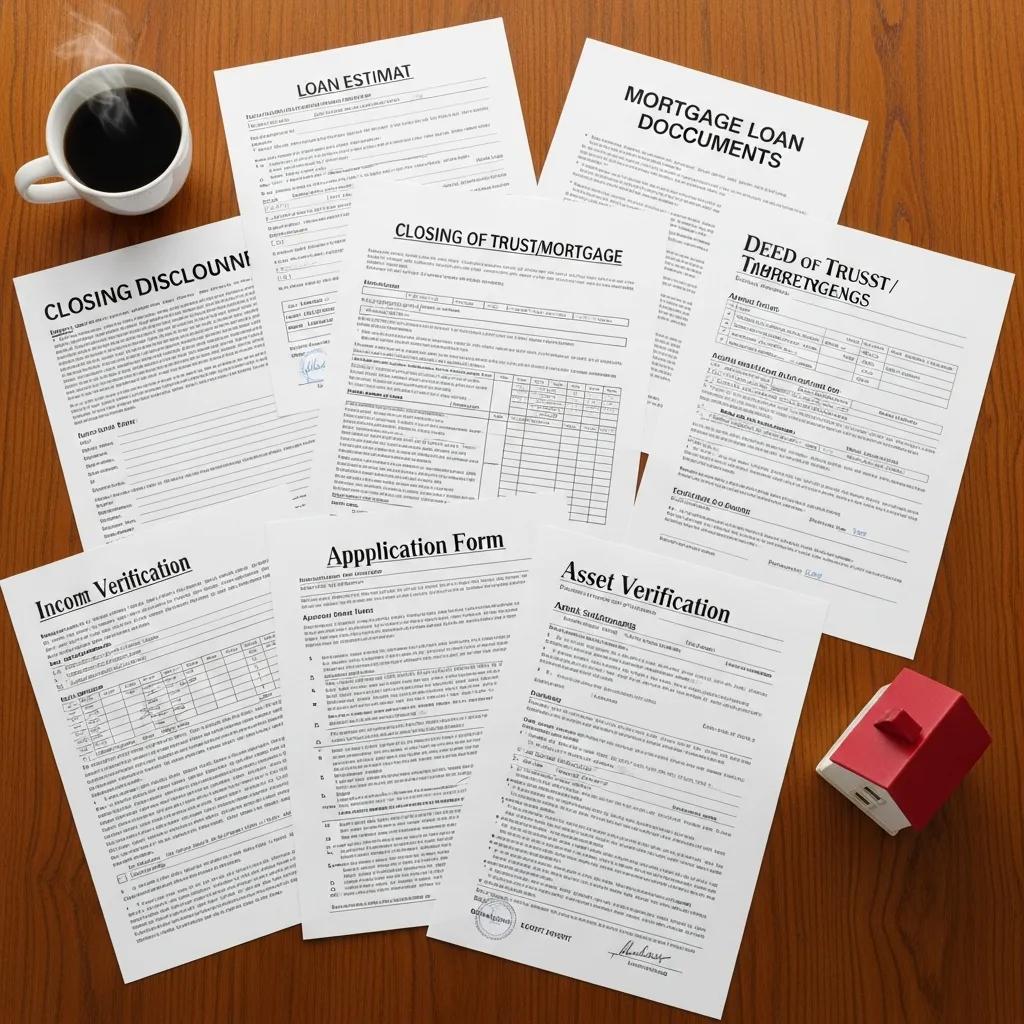
A mortgage broker is a professional who helps borrowers navigate the mortgage process, providing expertise and personalized guidance to select the best mortgage loan for their needs. They assist with understanding various loan options, such as conventional, FHA, VA, jumbo, and USDA loans, and help borrowers evaluate factors like interest rates, down payment requirements, and credit score considerations. By working with a mortgage broker, clients can benefit from a streamlined approval process, access to a wider range of loan products, and support in managing the complexities of mortgage-related paperwork. This ultimately helps borrowers make informed decisions that align with their financial goals.
Understanding the factors that influence a borrower’s choice in the mortgage selection process is crucial for effective financial advisory.
Borrower Preferences & Mortgage Selection Process
In an era where mortgage decisions and financial advisory services are increasingly shaped by technological advancements, this research delves deep into the intricate web of economic and psychological factors influencing borrowers’ choices. The study navigates the evolving landscape of robo-advisory services, seeking to understand their role in the mortgage selection process.
Robo-Advisors in Real Estate Finance: A Comprehensive Study of Borrower Preferences and Platform Performance, 2023
What Services Does a Mortgage Broker Provide to Homebuyers?
- Personalized Guidance: They offer expertise and personalized attention throughout the mortgage process, from pre-approval to closing, addressing any questions or concerns.
- Navigating Paperwork: Brokers help clients manage the complexities of mortgage-related paperwork, documentation, and compliance requirements.
- Lender Relationships: They often have established relationships with multiple lenders, real estate agents, title companies, and other industry professionals, facilitating a smoother transaction.
- Loan Options: Brokers provide access to a variety of loan programs (e.g., conventional, FHA, VA, jumbo, USDA loans) tailored to different financial situations and goals.
- Market Insights: They offer insights into interest rates, down payment requirements, and credit score considerations, helping clients make informed decisions.
- Streamlined Process: Mortgage brokers typically have a more efficient approval process compared to some traditional banks, allowing for quicker access to mortgages.
- Referrals: They may provide referrals to other reputable service providers, such as home inspectors or attorneys, enhancing the overall home-buying experience.
Why Use a Mortgage Broker for Different Mortgage Options?
Using a mortgage broker, like Anew Lending, for different mortgage options offers several advantages. They provide access to a wide range of loan programs, including conventional, FHA, VA, jumbo, and USDA loans, which cater to various borrower profiles and financial situations. Mortgage brokers also have expertise in navigating the complexities of the mortgage loan process, offering personalized guidance tailored to individual needs. This can be particularly beneficial for first-time homebuyers or those with unique financial circumstances, ensuring a smoother and more informed mortgage experience. Additionally, they can help you understand factors such as interest rates and down payment requirements, empowering you to make informed decisions.
What Are the Main Types of Mortgage Loans Available?
- Fixed-rate mortgages
- Adjustable-rate mortgages (ARMs)
- FHA loans
- VA loans
- Jumbo loans
- USDA loans
Each type has unique features and eligibility requirements.
How Do Fixed-Rate Mortgages Provide Payment Stability?
Fixed-rate mortgages provide payment stability by maintaining the same interest rate throughout the life of the loan. This consistency allows borrowers to predict their monthly payments, making budgeting easier and protecting them from interest rate fluctuations that can occur with adjustable-rate loans. This stability is particularly beneficial in a rising interest rate environment, as borrowers can lock in a favorable rate and avoid potential increases in monthly costs.
What Are the Benefits and Risks of Adjustable-Rate Mortgages?
Adjustable-rate mortgages (ARMs) offer lower initial interest rates compared to fixed-rate mortgages, which can result in lower monthly payments at the beginning of the loan term. However, the interest rate can fluctuate after an initial fixed period, leading to potential increases in monthly payments. This can be advantageous for borrowers who plan to sell or refinance before the rate adjusts. Conversely, the risk lies in the possibility of rising rates, which can lead to higher payments over time.
How Do Conventional Loan Types Differ and Who Are They Best For?
Conventional loan types primarily include fixed-rate mortgages and adjustable-rate mortgages (ARMs).
Fixed-Rate Mortgages:
- Characteristics: The interest rate remains constant throughout the loan term, providing predictable monthly payments.
- Best For: Long-term homeowners who plan to stay in their homes for many years, especially in low-interest environments. It offers budgeting certainty and long-term financial security.
Adjustable-Rate Mortgages (ARMs):
- Characteristics: The interest rate is variable and may change over time, typically starting with a lower initial rate compared to fixed-rate mortgages.
- Best For: Borrowers who may not stay in their homes long-term and are comfortable with potential fluctuations in monthly payments based on market conditions.
What Is the Difference Between Conforming and Jumbo Loans?
Conforming loans adhere to the guidelines set by Fannie Mae and Freddie Mac, including loan limits and borrower qualifications. These loans typically offer lower interest rates and are easier to qualify for. In contrast, jumbo loans exceed these limits and are not backed by government-sponsored entities, often resulting in stricter credit requirements and higher interest rates. Borrowers seeking larger amounts may need to consider jumbo loans, especially in high-cost areas.
What Are the Eligibility Requirements for Conventional Loans?
Eligibility for conventional loans generally includes a minimum credit score, stable income, and a manageable debt-to-income ratio. Most lenders require a credit score of at least 620, though higher scores can lead to better interest rates. Additionally, borrowers must provide documentation of income and assets to demonstrate their ability to repay the loan.
What Are Government-Backed Mortgages and Their Key Benefits?
Government-backed mortgages include FHA, VA, and USDA loans, each designed to assist specific borrower groups.
How Do FHA Loans Support First-Time Homebuyers?
FHA loans support first-time homebuyers by offering more flexible qualifying criteria, lower down payment requirements (as low as 3.5%), and often lower closing costs. These features make it easier for eligible families with low-to-moderate incomes to secure mortgage financing when they may not qualify for conventional loans.
Research further highlights the long-term benefits and outcomes of FHA mortgages for those entering homeownership for the first time.
FHA Mortgage Outcomes for First-Time Homebuyers
We focus our analysis on first-time homebuyers, who are Again, we use a three-year window after the payoff of the FHA mortgage for a household to.
Long-term outcomes of FHA first-time homebuyers, D Lee, 2018
What Are the Advantages of VA and USDA Loans?
VA loans offer several advantages for veterans and active-duty service members, including no down payment and no private mortgage insurance (PMI) requirements. USDA loans are designed for rural homebuyers and also require no down payment, making them an attractive option for those looking to purchase homes in eligible rural areas. Both loan types provide favorable terms that can significantly reduce the cost of homeownership.
The significant advantage of VA loans, particularly regarding down payments, has been a consistent focus in studies on veteran homeownership.
VA Home Loan Down Payment Benefits
The main objective of the current VA home loan veteran makes a down payment of less than 5% of the home value.
VA-home loan guaranty program: An overview, 2008
When Should You Consider Refinancing and What Are Your Options?
You should consider refinancing your mortgage loan if you want to lower your monthly payments, shorten the loan term, or access the equity in your home. Anew Lending offers various refinancing options and can help you explore these based on your financial goals. Their team will guide you through the application process and provide personalized recommendations to ensure you get the best refinancing terms.
How Can Refinancing Lower Your Interest Rate or Monthly Payments?
Refinancing can lower your interest rate or monthly payments by allowing you to secure a new loan at a lower interest rate than your current mortgage. This is particularly beneficial in low-interest environments, where locking in a fixed rate can lead to significant savings over time. Additionally, refinancing can help you switch from an adjustable-rate mortgage (ARM) to a fixed-rate mortgage, providing more predictable monthly payments and protection against future rate increases.
What Are the Different Types of Mortgage Refinancing?

- Rate-and-Term Refinancing: This option allows borrowers to change their interest rate or loan term without taking out additional cash.
- Cash-Out Refinancing: Borrowers can access the equity in their home by refinancing for more than they owe and taking the difference in cash.
- Streamline Refinancing: This is a simplified refinancing process available for certain loan types, such as FHA and VA loans, which requires less documentation and can lead to quicker approvals.
How Does Local Market Expertise Influence Your Mortgage Loan Choice in California?
Local market expertise influences your mortgage loan choice in California by providing tailored guidance on various loan programs, such as conventional, FHA, VA, jumbo, and USDA loans. A mortgage lender with local knowledge, like Anew Lending in Elk Grove, can help you understand the nuances of each loan type, eligibility requirements, and state policies that may affect mortgage rates. This expertise ensures that you make informed decisions based on your unique financial circumstances and goals, ultimately leading to a more suitable mortgage solution.
What California-Specific Programs and Trends Affect Mortgage Options?
California offers various state-specific programs aimed at assisting homebuyers, including down payment assistance programs and first-time homebuyer initiatives. Understanding these programs can significantly impact your mortgage options and overall affordability. Additionally, current market trends, such as rising home prices and interest rates, can influence the types of loans that are most beneficial for borrowers in the state.
How Does Anew Lending Provide Personalized Guidance for Elk Grove and Sacramento Homebuyers?
Anew Lending provides personalized guidance for Elk Grove and Sacramento homebuyers through tailored consultations and a variety of loan programs. They offer first-time homebuyer assistance, down payment assistance, and expert consultation to help clients choose the right mortgage program based on their unique financial situations and goals. Additionally, Anew Lending helps clients understand eligibility requirements for different loan types, including conventional, FHA, VA, jumbo, and USDA loans, ensuring that homebuyers can make informed decisions throughout the mortgage process.